Taper Fade vs Skin Fade: What's the Difference?
Guys mix these up often.
Someone sits down and asks for a taper fade, then shows us a photo where the sides are completely shaved to skin. Or they ask for a skin fade and then say, “Just don't make it too bald.”
Barber terminology gets messy online.
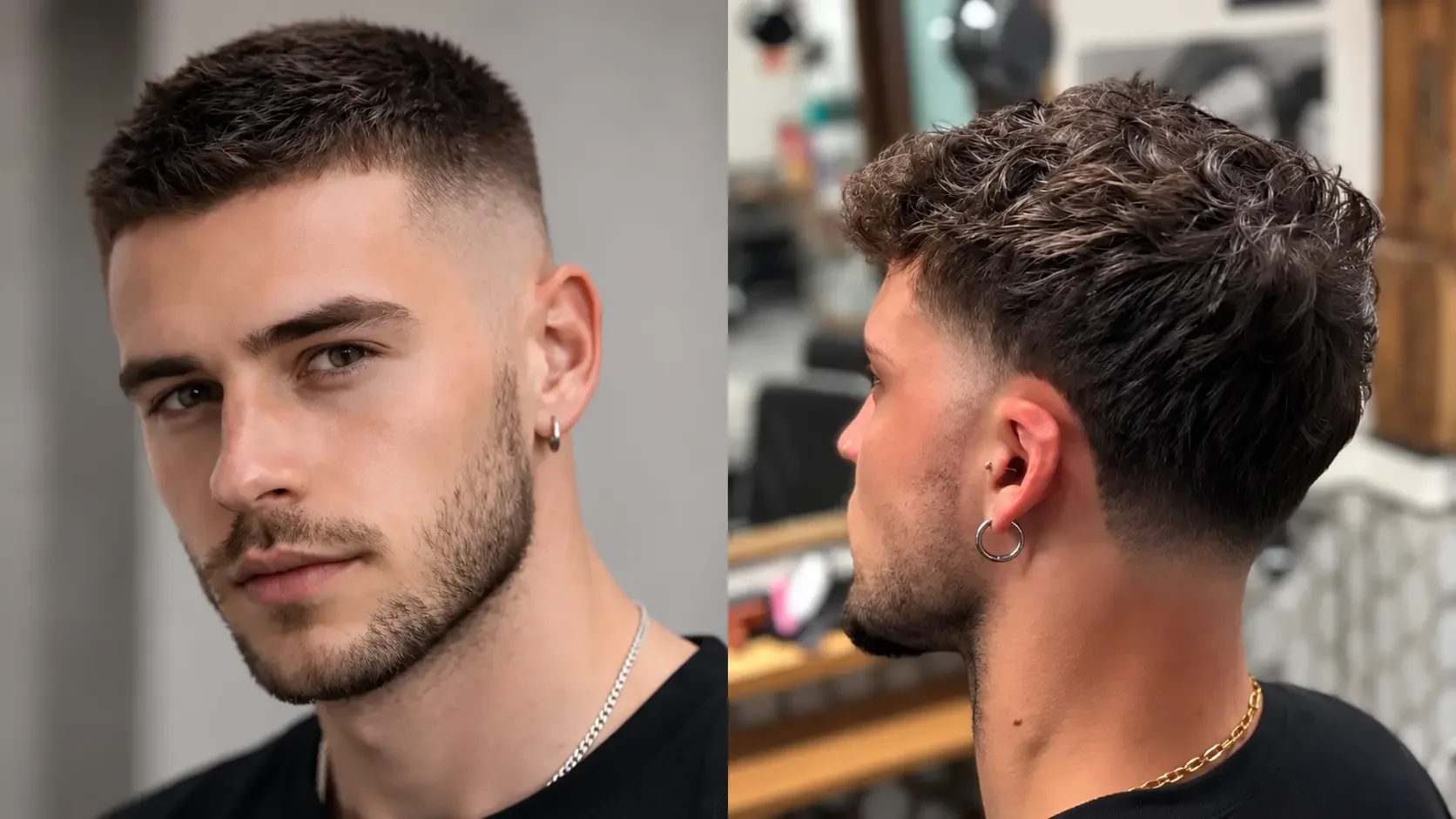
The difference is simple: a taper fade keeps some hair at the shortest point and usually focuses the transition around the temples and neckline. A skin fade blends the sides all the way down to bare skin and usually creates a stronger, more obvious contrast.
What Is a Taper Fade?
A taper gradually shortens the hair as it approaches the sideburns and neckline. The change is controlled and usually more subtle than a full fade around the entire head.
A taper fade combines that cleaner taper shape with a blended transition. You still get sharp edges and a neat finish, but the shortest section does not necessarily go to skin.
This is why tapers work so well for guys who want to look cleaned up without looking freshly faded every second of the day.
Low taper fade
A low taper keeps the transition close to the ears, temples, and neckline. It leaves more weight on the sides and works well with curls, textured tops, longer hair, and conservative office styles.
Higher taper
A higher taper removes more weight and makes the transition more noticeable while still keeping the overall haircut softer than a skin fade.
What Is a Skin Fade?
A skin fade goes down to bare skin at its shortest point.
The barber creates a gradient from skin into very short hair and then blends upward into the longer sides and top. That smooth transition is what gives a skin fade its clean, sharp look.
Because the bottom is literally shaved down, the contrast is stronger. It also means the “fresh fade” stage disappears faster as new hair comes in.
Low skin fade
The skin section sits lower on the head, usually around the ear line. You get the clean finish without removing as much weight from the upper sides.
Mid skin fade
This is the middle ground. It shows more skin, gives a stronger shape, and works with a huge range of tops.
High skin fade
A high skin fade takes the transition much higher. It is bold, clean and exposes more of the head shape, so it needs to suit both your style and your proportions.
Taper Fade vs Skin Fade: Key Differences
| Feature | Taper fade | Skin fade |
|---|---|---|
| Shortest length | Usually leaves some hair | Blends down to bare skin |
| Overall look | Subtle, clean, versatile | Sharper, bolder, higher contrast |
| Grow-out | Usually softer | New growth shows sooner |
| Maintenance | Can often go a little longer | Needs frequent cleanup to stay skin-tight |
| Workplace feel | Easy to keep conservative | Depends on height and workplace |
Which Fade Is Easier to Maintain?
The taper wins.
Not because a skin fade is hard to style. It is actually easy day to day. The issue is the contrast.
When the bottom starts at zero skin, even a few millimeters of growth change the look. A skin fade can still look good after two or three weeks, but it no longer looks freshly shaved. Many guys who love that crisp finish come in every two to four weeks.
A taper grows out more quietly because there was already a little length at the bottom. If you do not want to see your barber constantly, that matters.
Which Fade Works Best for Your Hair Type?
Straight hair
Both work. Straight hair shows the blend clearly, so clean graduation matters. A taper looks polished; a skin fade creates a much stronger outline.
Wavy hair
A low or mid taper can keep enough weight to let the wave show. A skin fade works too if you want the top to stand out more.
Curly or coily hair
Tapers are especially popular because they clean the edges without removing the volume that makes curls look good. Skin fades can look great, but the fade height changes the entire silhouette.
Fine or thinning hair
Be careful with extreme contrast. Sometimes taking the sides very short makes a thinner top look fuller. Other times a high skin fade exposes too much scalp and makes the top feel disconnected. This is where a barber should look at your actual density instead of following a TikTok photo blindly.
What About Face Shape?
A fade does not magically change your face, but it changes the visual width and height around it.
Round face: tighter sides and some height on top can create more length.
Long face: avoid taking the sides extremely tight while adding huge height on top.
Square face: both tapers and skin fades usually work well.
Oval face: you have room to choose based more on hair texture and personal style.
Professional vs. Bold: Which Look Are You After?
If you want something clean that works with a suit, uniform, or conservative office, a low taper is hard to beat. It looks intentional without shouting “fresh fade.”
If you like a sharper streetwear, athletic, or high-contrast look, a skin fade gives you that freshly cut effect immediately.
Neither is more “professional” by definition. Height, styling, beard work, and the rest of the haircut matter too.
How to Ask Your Barber for the Right Fade
Do not rely on the words alone.
Say where you want the fade to start, how much skin you want visible, what you want to keep around the temples, and how you wear the top. A photo helps, especially because people use “taper,” “fade,” and “taper fade” differently online.
At Salt City Barbershop, we would rather spend another minute in the consultation than spend the whole haircut correcting a misunderstanding.
Which Fade Should You Choose?
Choose a taper fade if you want something subtle, flexible, and forgiving as it grows.
Choose a skin fade if you want maximum contrast and that ultra-clean shaved finish.
And if you are still unsure, do not pick based on the name. Show us the look. We can tell you what version will work with your hair density, face shape, and how often you actually want to come back.
Frequently Asked Questions
What is the main difference between a taper fade and a skin fade?
A taper fade usually leaves some hair at the shortest point and concentrates the transition around the edges. A skin fade blends all the way down to bare skin.
Which haircut needs more maintenance?
A skin fade usually needs more frequent cleanup because new growth quickly changes the skin-to-hair contrast.
Is a taper fade better for work?
A low taper is easy to keep understated, but either style can be professional when the height, top, and finish suit the setting.
Does a skin fade work for curly hair?
Yes. The question is how much curl volume you want to preserve and where the fade should start.
How often should I get a fade?
Many clients return every two to four weeks. A skin fade may need the shorter end of that range if you want it to stay extremely crisp.