
How to Grow Out a Fade Without Looking Messy
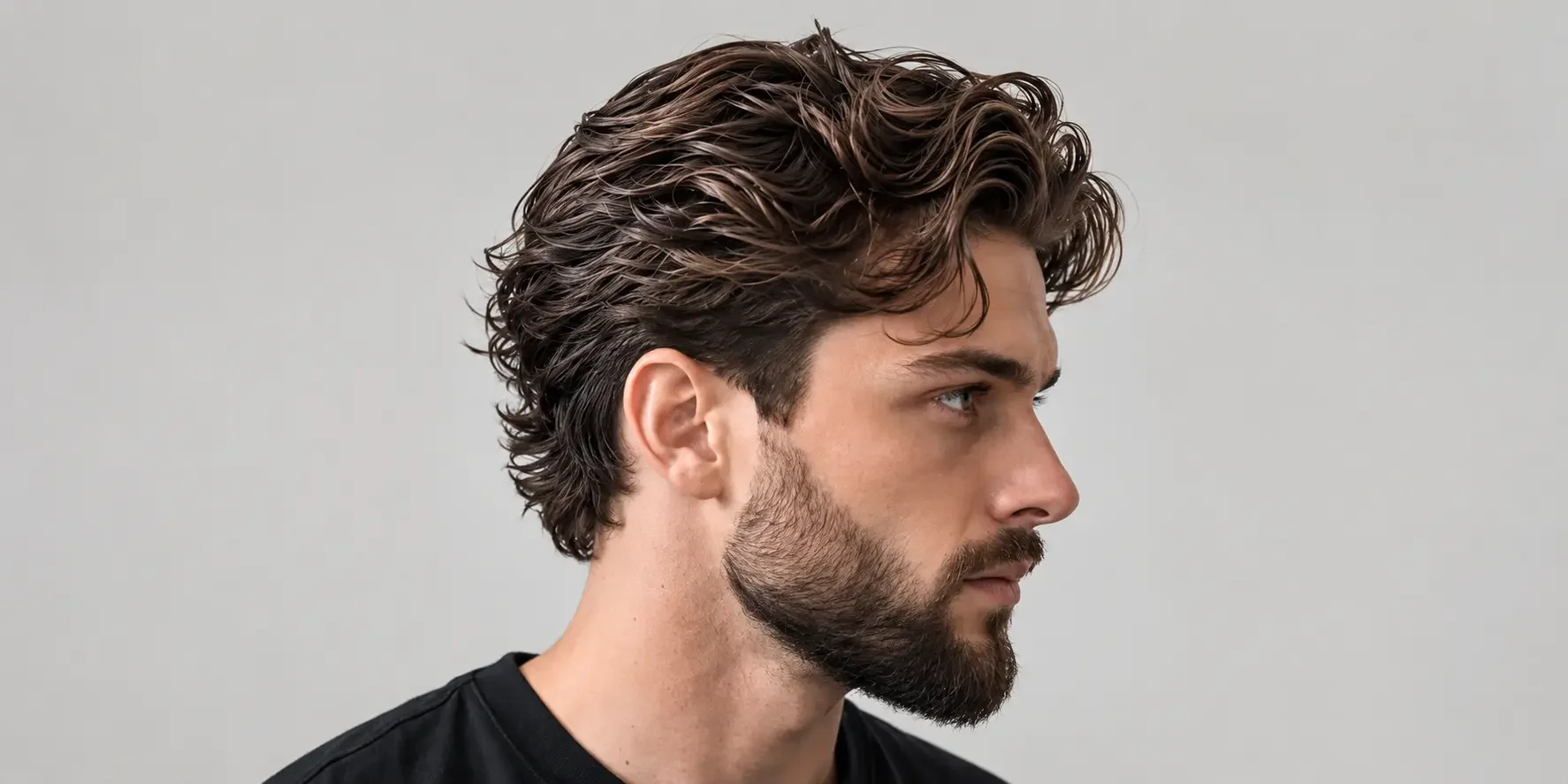
The first two weeks are simple.
Your fade is still visible. The edges are softer, but the haircut still looks intentional.
Then week three or four hits. The sides start puffing out. The area above the ears grows faster than you remember. The neckline gets fuzzy. You think, “Do I need another fade?”
If you are trying to grow out a fade, No. Getting the exact same fade again is how you stay in the fade forever.
Why Growing Out a Fade Gets Awkward
A fade starts with different lengths blended together. When all of those lengths grow at roughly the same rate, they do not suddenly become equal.
The shortest areas get darker. The longer areas gain bulk. Hair can start sticking out before the lower sides have enough length to lie down.
That awkward stage is normal. Keep the outline clean while enough length builds for the next hairstyle.
How Long Does It Take to Grow Out a Fade?
Scalp hair grows roughly half an inch per month on average, although individual growth rates vary.
If you are going from a skin fade to a scissor cut with real side length, think in months, not weeks. A low taper transitions faster because you started with more hair.
| Stage | What you may notice | What to do |
|---|---|---|
| Weeks 1–2 | Fade softens but still looks fresh | Leave it alone |
| Weeks 3–5 | Edges fuzzy, sides start gaining bulk | Cleanup trim if needed |
| Months 2–3 | More weight through sides, shape can look boxy | Blend strategically without resetting to skin |
| Month 4+ | Enough length for a new silhouette | Shape toward the longer target style |
Step-by-Step: How to Grow Out a Fade
1. Tell your barber the end goal
Do not sit down and say, “Just clean it up,” if you are trying to grow it.
That sentence is how people accidentally lose six weeks of progress.
Tell us what you are growing toward: a classic side part, longer curls, a flow, a scissor cut, or just more weight around the sides. Then the cleanup can support that target.
2. Stop taking the bottom back to skin
If every visit includes another zero or skin fade, the shortest sections never catch up. Ask for the neckline and sideburns to be tidied while keeping as much side length as possible.
3. Control bulk, not length
During the awkward stage, some areas need weight removed so the head does not look triangular. A barber can soften bulky spots without erasing the length you are building.
4. Keep the neckline and sideburns clean
This is the easiest way to look intentional while growing.
A fuzzy neckline makes the whole haircut look overdue. Clean edges make longer sides look like a choice. You do not need a full haircut every time. A small cleanup can buy you several more weeks.
5. Let the top grow too
Unless your target style calls for a short top, keep enough length there to build the final shape while the sides grow.
When Should You Visit the Barber While Growing It Out?
For many guys, a cleanup every three to four weeks works well during the awkward stage.
That does not mean three-to-four-week full haircuts. The whole point is restraint.
We might clean the neck, soften around the ears, reduce a heavy corner, and leave everything else alone. It can feel strange to pay someone to cut less hair, but that is exactly what makes a grow-out successful.
Best Hairstyles While a Fade Is Growing Out
Textured crop
If the top is already short, texture makes the transition feel deliberate while the sides gain weight.
Classic taper
A skin fade can gradually become a softer taper. This is one of the easiest transitions because you are not forcing the sides to become long all at once.
Side part or loose sweep
Once the top has enough length, moving it naturally to one side gives the haircut structure while the sides catch up.
Longer curls
For curly hair, keeping the perimeter neat while allowing volume to build can look much better than repeatedly fading the sides and leaving all the mass on top.
What Products Help During the Grow-Out?
Growing hair needs control more than shine.
Matte clay: useful for shorter, thicker hair that wants to stick out.
Styling cream: better for medium length, waves, and a softer finish.
Sea salt spray: adds light texture without making the hair look greasy.
Leave-in conditioner: useful for curls or dry longer hair.
Do not keep adding heavy product to flatten overgrown sides. If you need a helmet of pomade to make it behave, it is probably time for a shape cleanup.
Common Mistakes That Reset Your Progress
Asking for “just a little fade” at every cleanup.
Cutting the bulky areas yourself.
Letting the neckline grow wild because you are afraid of any trimming.
Choosing a new target hairstyle every two weeks.
Keeping the top too short for the style you eventually want.
Giving up during the first awkward month and going straight back to skin.
How We Handle Grow-Out Appointments at Salt City
We ask one question first: where are you trying to go?
Once we know that, we can decide what not to cut. That is the important part.
Sometimes a grow-out appointment is mostly a neckline, sideburn cleanup, and tiny amount of blending. Sometimes the sides need debulking. Sometimes the best move is literally to leave a section alone.
You are paying us to make the next stage look better, not remove as much hair as possible.
Final Tips for a Clean Transition
Growing out a fade takes patience, but it does not require four months of looking neglected.
Keep the edges clean. Stop resetting the shortest areas. Use light product to control bulk. Get strategic cleanups instead of full fades. And tell your barber the final style before the clippers come on.
If you are stuck in the awkward stage, come see us at Salt City Barbershop. Bring a photo of where you want to end up, and we will help you get there without cutting you back to day one.
Frequently Asked Questions
How long does it take to grow out a fade?
It depends on the fade height and target style. Hair grows about half an inch per month on average, so moving from skin to a longer scissor cut can take several months.
Should I get trims while growing out my fade?
Yes, but ask for strategic cleanup trims rather than repeating the fade. Cleaning the neckline, sideburns, and bulky areas can keep the shape neat.
How can I make an overgrown fade look better?
Keep the perimeter clean, control bulky areas with styling product, and avoid cutting the shortest sections back down.
What haircut should I transition to after a fade?
Classic tapers, textured crops, side parts, longer curls, and scissor cuts are all natural transition options depending on your hair.
How often should I get cleanup trims?
Every three to four weeks is a useful starting point for many clients, but the exact timing depends on how quickly your hair grows and the final style.