
Why Your Beard Itches After Shaving: Causes & Fixes
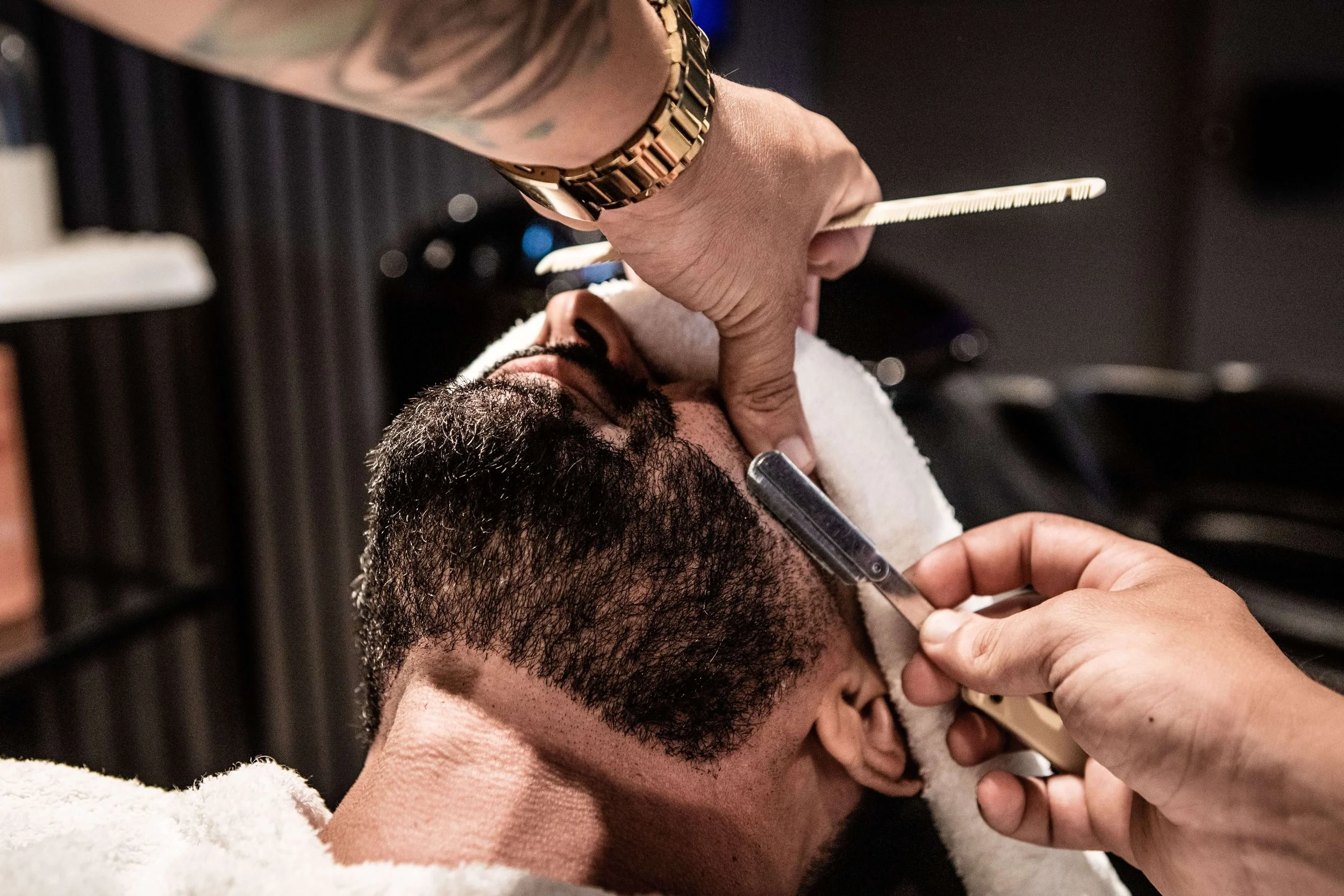
Beard itch after shaving is annoying because it usually shows up when you think the hard part is done.
You shave, clean the lines, rinse your face, and everything looks fine. Then, a few hours later, the skin starts to feel tight. The beard area feels prickly. Maybe the neck gets red. Maybe you keep touching your jaw because something just feels off.
We see this a lot at Salt City.
Most of the time, an itchy beard after shaving is not random. It usually comes from dry skin, rough shaving, dull blades, ingrown hairs, or products that do not agree with your skin.
The fix starts with figuring out what is causing it.
Why Your Beard Itches After Shaving
Your beard area can itch after shaving because the skin has just been disturbed.
A razor not only cuts hair. It also moves over the surface of the skin. If the skin is dry or the blade is dull, that contact can leave the area feeling irritated.
Then the hair starts growing back.
Short beard hair can feel sharp at first, especially around the neck and jawline. If the hair curls back into the skin, you may also get bumps or soreness.
That is why an itchy beard can feel different from person to person. For one guy, it is dry skin. For another, it is razor bumps. For someone else, it may be a shaving rash or a product reaction.
Common Causes of Beard Irritation
Dry skin is one of the biggest causes.
When the skin under your beard gets dry, it can feel tight, flaky, and itchy. This is even more common in dry weather or after using harsh soaps.
A dull razor can also cause problems. Instead of cutting cleanly, it pulls at the hair and irritates the skin.
Shaving too close is another common reason. Some men go over the same spot again and again, trying to get a smooth finish, especially on the neck. That can lead to redness, burning, and a shaving rash that men often mistake for normal irritation.
Ingrown hairs are another issue. These happen when the hair grows back into the skin instead of out of it. Around the beard, they can show up as small red bumps, soreness, or itching.
If you have been asking, “Why is my beard itchy after every shave?” start by looking at your razor, your pressure, your shaving direction, and your skin moisture.
How to Stop Beard Itch After Shaving
The first thing is to calm the skin.
Rinse your face with cool water after shaving. Pat it dry. Do not rub the towel hard over the beard area.
Then apply a gentle moisturizer or beard product that helps soften the skin and hair. If the area feels hot or irritated, avoid anything with a strong sting or heavy fragrance.
The next step is to change how you shave.
Use warm water before shaving. Let your shaving cream or gel sit for a short moment. Use a sharp blade. Shave with the direction of hair growth first, especially around the neck.
If you want to know how to stop beard itch, do not start by adding five products. Start by making the shave gentler.
A simple beard irritation fix usually looks like this: better prep, lighter pressure, fewer passes, and moisture after.
Home Remedies for Itchy Beard Relief
You can help mild beard itch at home if there is no severe rash, swelling, or infection.
A warm towel can soften the beard area before shaving. After shaving, a cool cloth can help calm irritation.
Gentle beard washing can also help. Dirt, sweat, and dead skin can build up under the beard and make itching worse. Just do not overwash with harsh soap, because that can dry the skin out more.
A light beard oil, beard balm, or moisturizer can help if the itch is coming from dryness. The goal is not to make the beard greasy. It is just to soften the hair and calm the skin underneath.
If you are looking for an itchy beard home remedy, keep it simple. Warm towel before shaving. Cool rinse after. Gentle moisture. Less scraping with the razor.
How to Prevent Beard Itch in the Future
Prevention is mostly about routine.
Do not shave dry. Do not use a dull blade. Do not press hard. Do not keep shaving over irritated skin.
Also, pay attention to your neckline. The neck is usually where most men get itching, bumps, and redness because the skin is more sensitive and the hair often grows in different directions.
If you get razor bumps in the beard area often, try shaving with the grain only for a while. You may not get the closest shave, but your skin may feel much better.
Dryness also matters. If you deal with dry skin and beard itch, especially in Utah’s climate, moisturizing after shaving should not be optional. It is part of the routine.
At Salt City, we also remind clients that beard care does not stop at trimming. A clean shape is important, but the skin underneath needs care, too.
When to See a Barber or Skin Expert
A barber can help when the issue is coming from the way the beard is being shaped or shaved.
If your lines are uneven, your neckline keeps getting irritated, or you are not sure how high or low to shave, we can help clean that up properly. Sometimes, a better beard shape and lighter razor work make a big difference.
If the itch comes with swelling, pus, severe pain, spreading redness, or a rash that does not improve, it is better to check with a skin professional. Some beard rashes can come from folliculitis, dermatitis, fungal irritation, or other skin issues that need proper treatment.
For regular beard grooming, line cleanups, and shaping, you can book with us here.
Conclusion
Beard itch after shaving is common, but it should not be something you just accept.
Most of the time, your skin is asking for a gentler shave, better moisture, or cleaner beard care habits.
Use warm water. Keep your razor sharp. Shave with less pressure. Moisturize after. Watch how your skin responds.
And if your beard lines or neckline keep giving you trouble, we can help shape it properly so you are not fighting it at home every week.
FAQs
Why does my beard itch more after shaving?
Your beard may itch more after shaving because the skin is dry, the razor caused irritation, or short hairs are growing back with sharp edges. It can also happen from ingrown hairs, especially around the neck and jawline.
How long does a beard itch last after shaving?
Mild beard itch may settle within a few hours or a day if the skin is only slightly irritated. If the itching lasts for several days, keeps coming back, or comes with bumps or rash, your shaving routine may need adjusting.
What helps stop beard itch quickly?
Cool water, a gentle moisturizer, and avoiding more shaving over the irritated area can help calm the beard itch. If the skin feels dry, a light beard oil or balm may also help soften the hair and reduce scratchiness.
Can shaving cause beard rash?
Yes, shaving can cause a beard rash if the skin gets irritated by friction, dull blades, too much pressure, or harsh products. Razor bumps and ingrown hairs can also make the beard area look red, bumpy, and itchy.
Should I stop shaving if my beard itches?
If the skin is red, sore, or bumpy, it may help to pause shaving for a few days. Let the area calm down, then restart with warm water, a sharp blade, light pressure, and proper moisture afterward.