
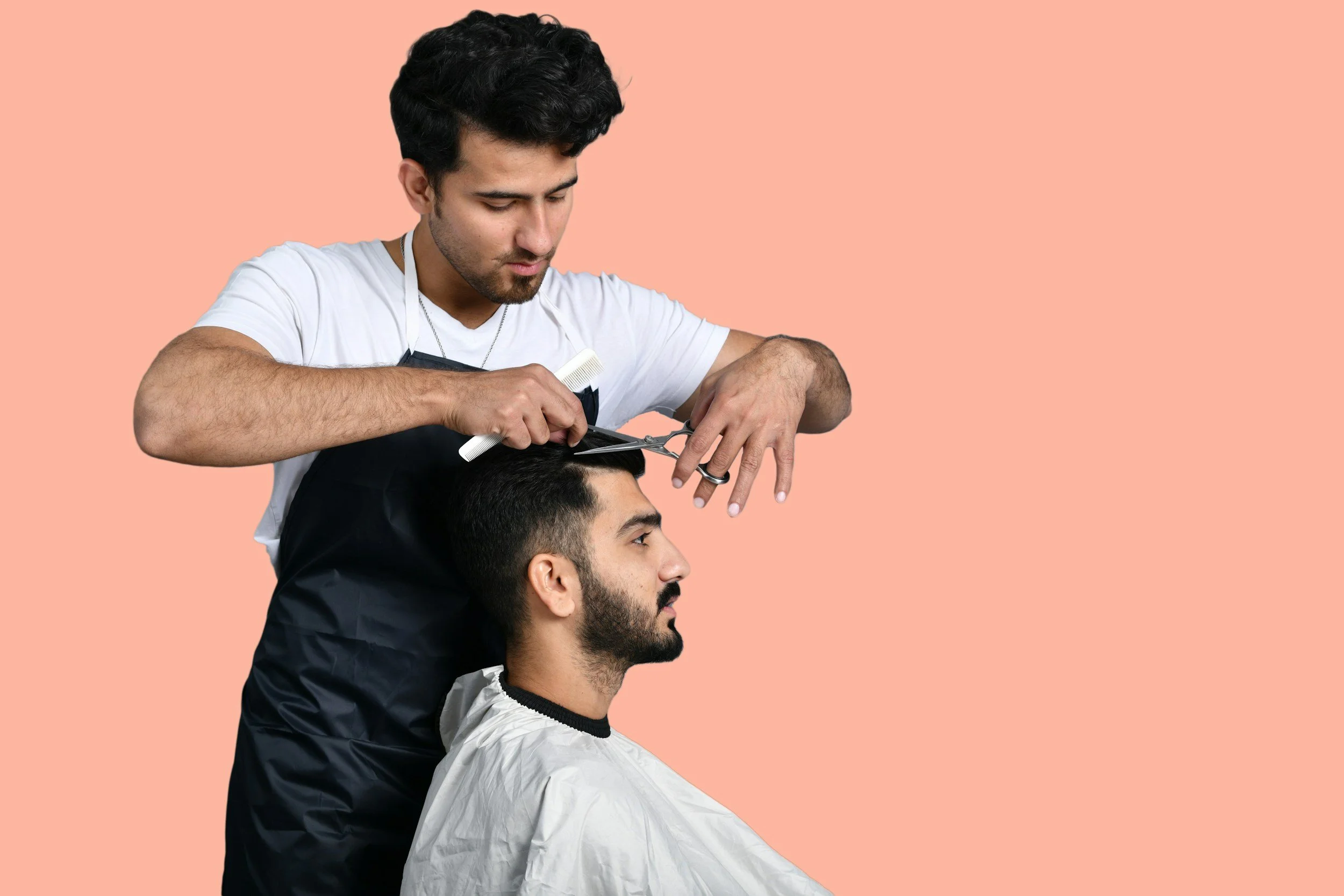
Haircuts are a routine part of life, but for some people they can be a source of significant stress and discomfort. Individuals with sensory sensitivities, including children with sensory processing differences or people with autism or anxiety, often find traditional haircuts overwhelming.
The combination of sharp tools, sudden sounds, unfamiliar smells, and close physical contact can make what seems like a simple activity extremely challenging. Sensory haircut solutions aim to create an environment that accommodates these needs, making haircuts less stressful and more manageable.
What Is a Sensory Haircut?
A sensory haircut is a haircut performed with specific consideration for an individual’s sensory sensitivities. These haircuts focus on reducing triggers such as loud noises, sudden touch, or visual overstimulation while providing clear communication and gentle handling.
Understanding Sensory Sensitivities
Sensory sensitivities involve heightened or decreased responses to sensory input such as sound, touch, or visual stimuli. For some, the feeling of scissors near the skin, the vibration of clippers, or even the texture of hair can provoke discomfort or anxiety. Sensory haircuts recognize these sensitivities and adapt the process to the individual’s comfort level.
Why Traditional Haircuts Can Be Overwhelming
In a standard barber or salon, bright lights, background chatter, strong fragrances, and the buzzing of clippers can create sensory overload. For someone with heightened sensitivity, this can lead to distress, fear, or even refusal to sit for a haircut. Understanding this is essential for creating effective solutions.
Who Benefits from Sensory Haircut Solutions?
Children with Sensory Sensitivities
Many children struggle with haircuts due to sensory processing differences. For these children, a haircut can be one of the most challenging experiences. Sensory-friendly techniques, like reducing noise, offering visual distractions, and allowing breaks, can help children feel safe and in control.
Individuals with Autism or Anxiety
Sensory haircuts are not limited to children. Teens and adults with autism or generalized anxiety can also benefit. Structured, predictable environments, gentle communication, and patient pacing make the experience less intimidating and reduce stress for the individual.
Common Sensory Challenges During Haircuts
Sound Sensitivity
The buzzing of clippers or hair dryers is often the most noticeable trigger. Sudden loud sounds can startle or overwhelm individuals with sound sensitivity, making it hard to stay calm or cooperative during the haircut.
Touch and Texture Sensitivity
Some people react strongly to touch, whether it is the pressure of scissors, the feel of hair being combed, or the sensation of water during washing. Haircuts that are rushed or rough can increase discomfort significantly.
Visual Overstimulation
Bright lights, reflections, mirrors, and crowded spaces can also trigger stress. Reducing clutter, minimizing unnecessary lighting, and avoiding constant mirror exposure can help manage visual overstimulation.
Sensory-Friendly Haircut Techniques
Creating a Calm Haircut Environment
The environment is crucial. Quiet rooms, minimal visual distractions, and a predictable routine all contribute to a calmer experience. Some salons provide weighted capes, noise-reducing headphones, or soft background music to create comfort.
Gentle Communication and Pacing
Clear, calm explanations of each step can help individuals anticipate what will happen next, reducing anxiety. Giving the individual breaks or letting them signal when they need to pause empowers them and improves cooperation. Moving at a slower pace and using soft voices helps build trust and reduces stress.
How Barbers Can Make Haircuts More Comfortable
Barber Training and Awareness
Barbers who understand sensory sensitivities can adapt their approach. Training in recognizing triggers, practicing patience, and learning alternative techniques is essential. Awareness of individual needs allows for customization, improving the overall experience.
Tools and Techniques for Sensory Comfort
Barbers can use quieter clippers, softer combs, or gentle brushing techniques to minimize discomfort. Offering sensory aids like headphones or fidget tools allows clients to focus on something familiar rather than the haircut itself. The goal is to make the process predictable, gentle, and reassuring.
To sum it all up,
Sensory haircuts are more than a convenience; they are a vital service for individuals who experience anxiety or discomfort during traditional haircuts. By adjusting the environment, pacing, and communication style, barbers can create a positive and safe experience.
Whether for children with sensory sensitivities, adults on the spectrum, or anyone who finds standard haircuts overwhelming, sensory haircut solutions make personal grooming accessible and stress-free.
FAQs
What is a sensory haircut?
A sensory haircut is designed to accommodate individuals with heightened sensitivity to sound, touch, or visual stimuli, making the experience calmer and less stressful.
Who needs sensory haircut solutions?
Children with sensory processing differences, individuals with autism, and adults with anxiety or touch sensitivities can benefit from sensory-friendly haircuts.
How do sensory-friendly haircuts help individuals with sensitivities?
They reduce triggers such as loud noises, sudden touch, and bright lights while providing clear communication and a predictable process.
Are sensory haircuts only for children?
No. Teens and adults with sensory sensitivities or anxiety can also benefit from a calm, structured haircut experience.
How can barbers make haircuts more sensory-friendly?
Barbers can use quiet tools, gentle techniques, clear communication, and a calm environment. Allowing breaks and offering sensory aids also improves comfort and cooperation.