
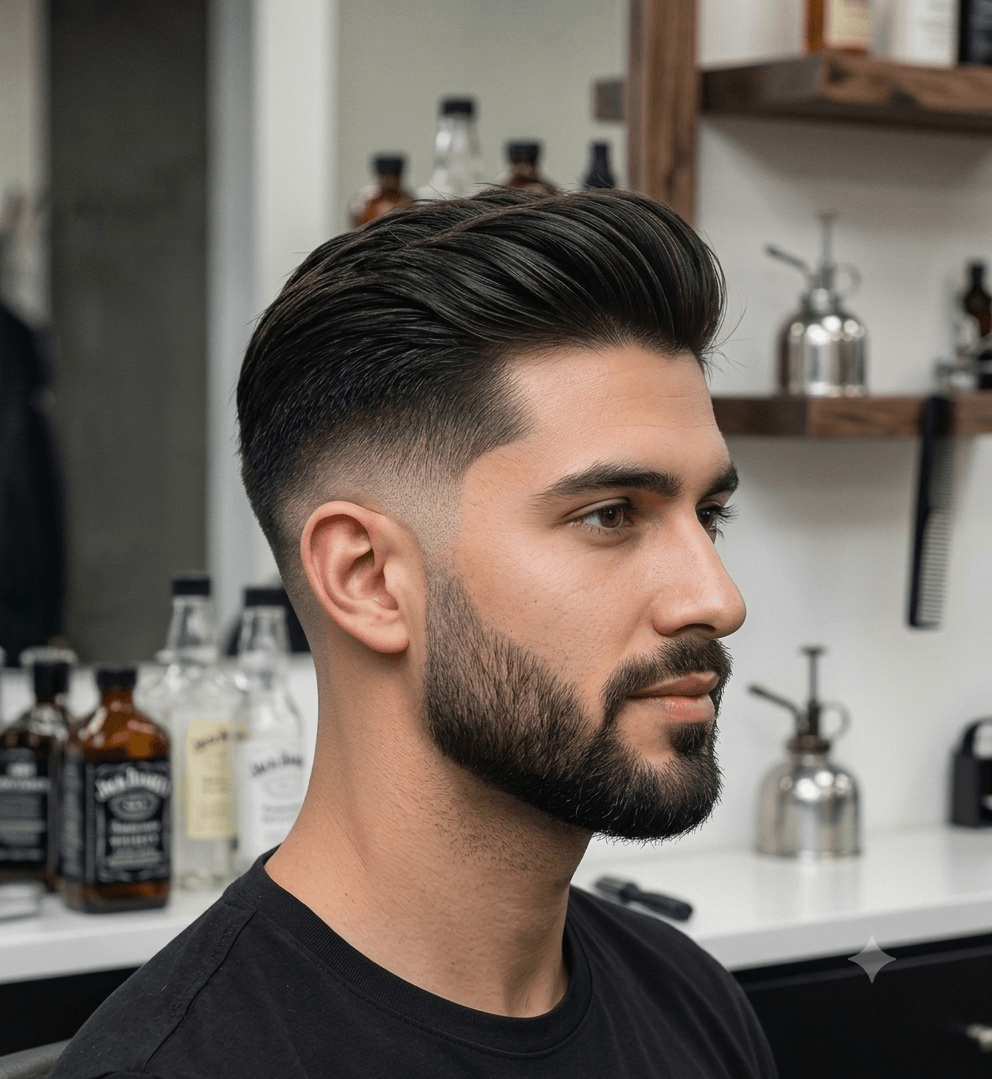
When comparing low fade vs high fade, the real difference comes down to where the fade begins and how bold you want the result to look. A low fade starts just above the ears and blends gently into the neckline. A high fade begins near the temples and creates a sharper, more dramatic contrast. One feels subtle and balanced. The other feels clean, modern, and more defined.
If you are trying to decide between them, the answer is not about trends. It is about your face shape, hair texture, and how much effort you want to put into maintenance.
What Is a Fade Haircut?
Understanding fade haircut basics
A fade haircut gradually tapers the hair from longer on top to shorter on the sides and back. The transition is smooth. In some cases, it blends down to the skin. In others, it stops at a very short clipper length.
There are different types of fade haircuts, but the height of the fade changes the entire feel of the style. Even a small shift upward can make the haircut look sharper and more dramatic.
Fade haircut styles for men are versatile. They work with textured crops, pompadours, quiffs, buzz cuts, and even longer hair on top. The fade acts as the foundation. Everything else builds on it.
Why fade haircuts are popular
Fade haircuts remain popular because they are neat without looking rigid. They suit formal offices and relaxed weekends equally well.
They also adapt easily to different hair types. Thick hair feels lighter. Fine hair looks more structured. Curly hair gains shape around the edges.
Most men choose a fade because it frames the face cleanly. It looks intentional. It feels put together.
What Is a Low Fade Haircut?
Features of a low fade
A low fade haircut begins just above the ear and follows the natural curve of the hairline. The tapering stays close to the neckline and builds gradually upward.
Here is what defines a low fade:
The fade line sits low on the head
The blend is soft and gradual
More hair remains on the sides
The overall look feels subtle
Who should choose a low fade
A low fade suits men who prefer understated style. It works well in professional settings and conservative workplaces. It is also a good starting point if you are new to fade haircuts.
If you have a longer or narrower face, a low fade can maintain proportion. It does not remove too much width from the sides. That helps keep the face looking balanced.
It also pairs well with medium-length hairstyles on top. You get structure without losing fullness.
What Is a High Fade Haircut?
Features of a high fade
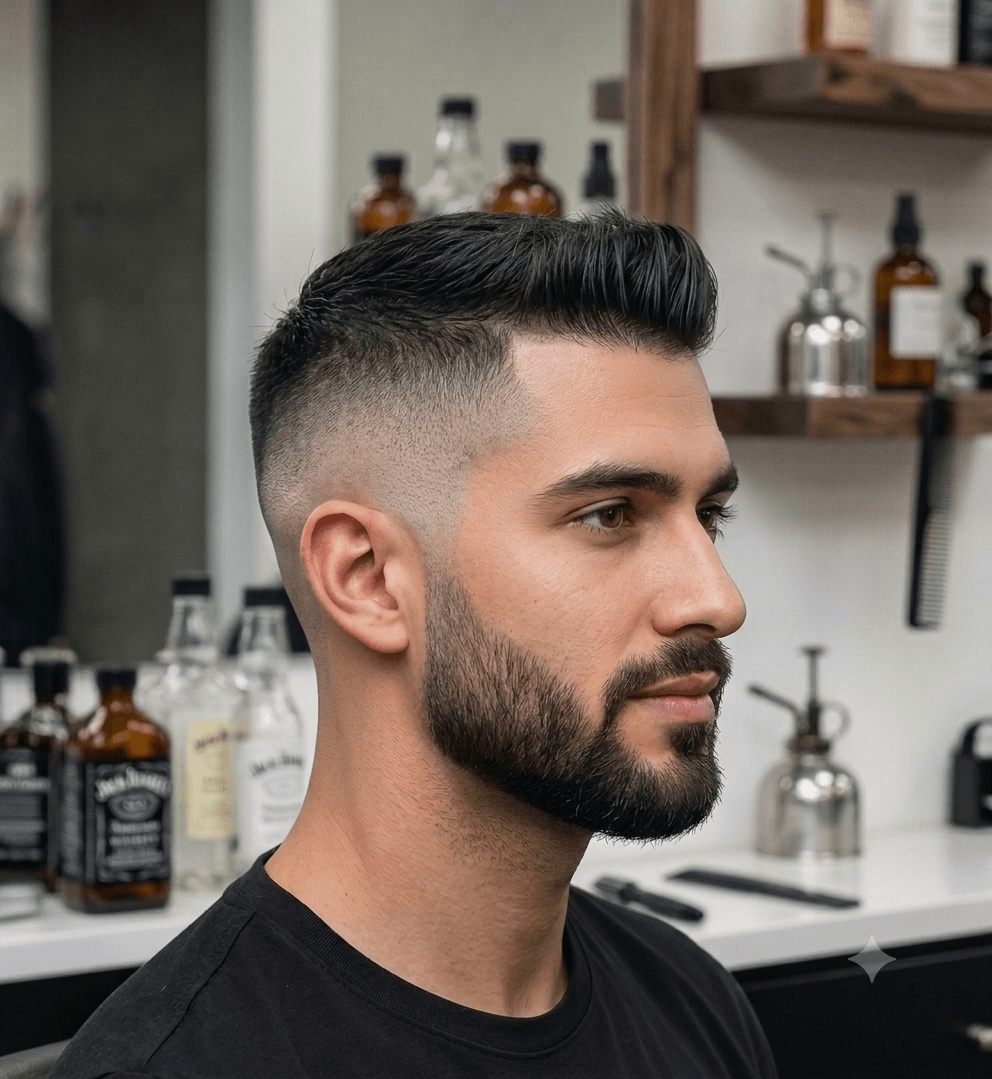
A high fade haircut begins much higher, often around the temples. The transition from short to long happens quickly.
Here is what defines a high fade:
The fade line starts high on the head
The sides are cut very short
The contrast between top and sides is strong
The style feels bold and modern
Who should choose a high fade
A high fade works well for men who like sharper looks. It suits athletic lifestyles and trend-focused styles.
If you have thick or heavy hair, a high fade reduces bulk and makes styling easier. It also creates the illusion of added height, which can help rounder face shapes appear longer.
That said, it draws attention. If you prefer something quiet and conservative, it may feel too strong.
Low Fade vs High Fade - Key Differences
Appearance and style
The simplest way to understand low fade vs high fade is to look at placement and contrast.
Low fade starts near the ears and blends softly
High fade starts near the temples and creates strong contrast
Low fade feels classic and controlled
High fade feels bold and defined
A low fade blends into your natural head shape. A high fade reshapes it visually by removing more volume from the sides.
If you are also considering mid fade vs high fade, the mid fade sits between the two. It offers moderate contrast without going as high or as subtle as the other options.
Maintenance and upkeep
Maintenance is where practical decisions matter.
Low fades usually need a trim every three to four weeks
High fades often require trimming every two to three weeks
How to Choose the Right Fade for You
Choosing the best fade haircut for men depends on more than preference. It should suit your features and lifestyle.
Face shape considerations
When deciding which fade suits face shape, think in terms of balance.
Round faces often benefit from high fades because they create visual height
Oval faces can handle both low and high fades comfortably
Square faces usually look balanced with a low fade
Longer faces may suit a low fade to avoid extra vertical emphasis
Hair type and lifestyle
Hair texture plays a role in how a fade sits.
Thick hair pairs well with high fades because it removes side bulk
Fine hair often looks fuller with a low fade
Curly hair gains definition with either option, depending on how bold you want the look
Straight hair adapts easily to both styles
Consulting a professional barber
Even a small adjustment in fade height can change the outcome. A skilled barber will consider your head shape, growth patterns, and hair density.
Bring reference photos. Be clear about how short you are comfortable going. Ask about upkeep. A good barber will guide you toward a fade haircut style for men that suits you rather than simply following a trend.
In a Nutshell,
The choice between low fade vs high fade is not about which one is better. It is about which one fits you.
If you prefer something refined and balanced, the low fade haircut is a safe and reliable option. If you want strong contrast and sharper lines, the high fade haircut will deliver that impact.
Take a moment before your next appointment. Consider your face shape, your hair type, and how often you are willing to visit the barber. The right fade will not only clean up your sides. It will shape your entire look.
FAQs
What is the difference between a low fade and a high fade?
A low fade starts just above the ears and blends gradually into the neckline. A high fade begins near the temples and removes more hair from the sides, creating stronger contrast and a sharper finish.
Which fade haircut is easier to maintain?
Low fades are generally easier to maintain because regrowth is less obvious. High fades require more frequent trims to keep the sharp contrast clean.
Is a low fade more professional than a high fade?
In traditional office settings, a low fade is often considered more professional because it looks subtle and controlled. A high fade can still be appropriate, but it appears more fashion-forward.
Which fade suits round or oval face shapes?
High fades can help elongate round faces by creating height. Oval faces are balanced and usually suit both low and high fades.
How often should you maintain a fade haircut?
Most fades need maintenance every two to four weeks. High fades typically require trimming sooner than low fades.